Travel · · Yunsuk Choi
Travel context
US inbound tourism is wobbling again. Skift reported that April 2026 international arrivals to the United States fell to 2.6 million, down 14.1% from a year earlier, citing National Travel and Tourism Office data. That reversed the modest improvement seen in February and March.
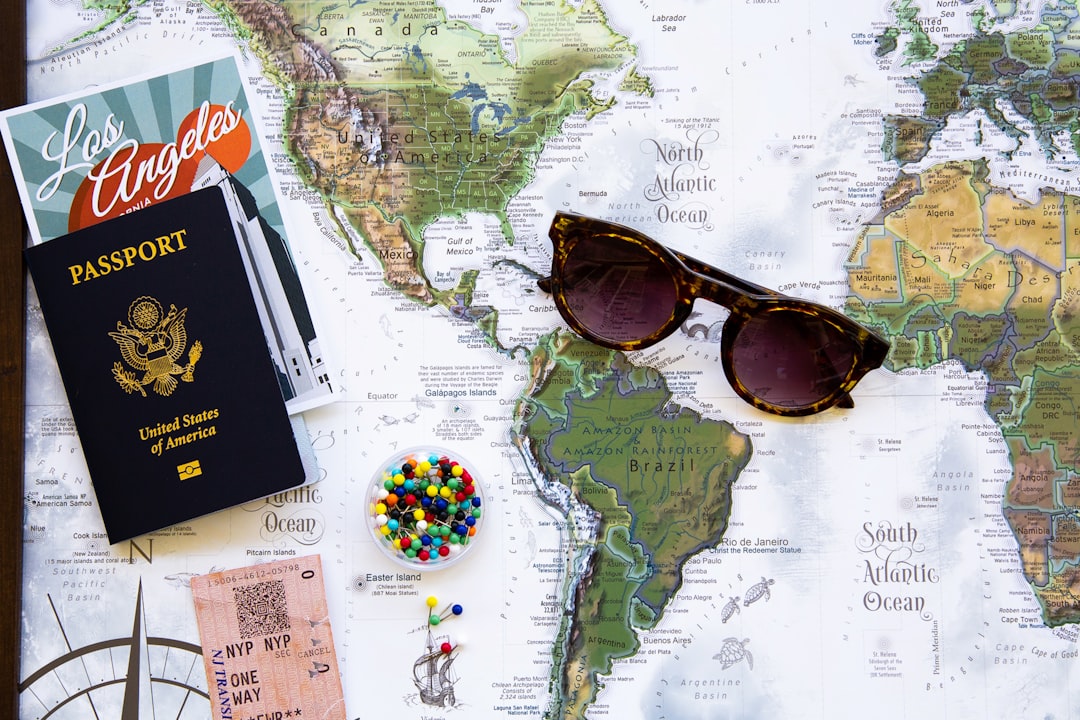
*Photo by GeoJango Maps on Unsplash*
What the numbers suggest
This does not look like a simple seasonal dip. Skift said the decline showed up across several origin regions, including the Middle East, Africa, and Western Europe, and that most major inbound markets were lower. In its newsletter coverage, Skift also cited a US Travel Association view that a full return to 2019 inbound levels may be pushed out to 2029.
Travel demand is always sensitive to airfares and exchange rates. Right now, travelers are also weighing politics, safety, border experience, visa uncertainty, and geopolitical risk. The question I would keep open is less "Can I afford the flight?" and more "Do I feel confident enough to book?"
*Photo by Ambati Cherubim on Unsplash*
Why Korean travelers should care
For Korean travelers planning a US trip, this trend matters in two ways.
First, prices may become more uneven by city. A weaker inbound market can create hotel promotions in some places, but World Cup matches, concerts, conferences, and major exhibitions can still push up prices in specific cities. A national decline does not mean every destination gets cheaper.
Second, entry preparation becomes more important. A US trip requires checking ESTA or visa rules, connection rules, insurance, border documents, and local transport. When travel confidence is lower, even small uncertainties can delay bookings.
Practical checklist
Before booking a US trip, check:
- ESTA or visa status before paying for flights
- City-level event calendars
- The Korean won to US dollar exchange rate
- Flight change and cancellation conditions
- Whether the hotel location works without a rental car
What it means for the industry
For US tourism, the issue is not only one month of lower arrivals. A weaker destination image can affect air routes, hotel investment, city marketing, and convention demand over time. Long-haul travelers book early, so spring uncertainty can affect summer and autumn travel decisions.
There may still be opportunities for flexible travelers. Cities with softer demand may offer better hotel deals, and secondary destinations can reduce both cost and crowding. But safety, entry rules, and travel reliability should come before headline discounts.
TL;DR
The 14.1% decline does not mean "US travel is over." It means travel demand is becoming more selective. Cheap fares help, but they may not be enough if travelers feel uncertainty around policy, safety, or logistics.
Related travel notes
For a related thread, see the travel category or under #US travel, #inbound tourism, and #exchange rates. Read this alongside our Memorial Day airline demand update.
What I checked
Source material: Skift, Skift Daily Newsletter, Skift Travel Podcast, U.S. Travel Association
Tags: #US travel #inbound tourism #travel demand #exchange rates