Health · · Yunsuk Choi
Disclaimer — This article is general health information. Do not start, stop, or reduce blood-pressure medication on your own. If your readings are high or you have symptoms, contact a healthcare professional.
What to notice
High blood pressure does not become solved the moment a prescription is written. In daily life, medication timing, salt intake, sleep, exercise, stress, and home measurements all vary. That is why team-based care has become such an important concept in hypertension management.
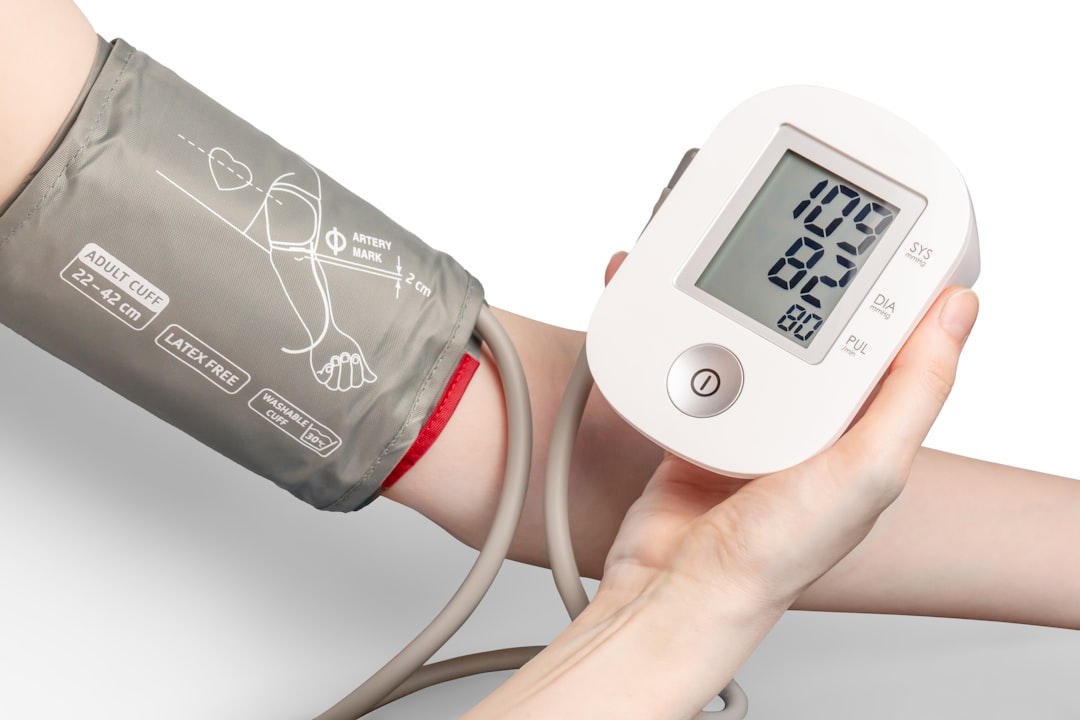
*Photo by Mockup Graphics on Unsplash*
What team-based care means
CDC describes team-based care as one recommended approach for hypertension control. Physicians, nurses, pharmacists, health coaches, and community-health workers may each support different parts of care. The goal is to reduce the long gaps between clinic visits.
Studies available through PubMed and PMC have examined models where pharmacists and nurses regularly check blood pressure, review adherence, discuss lifestyle patterns, and pass information back to clinicians when medication adjustment may be needed.
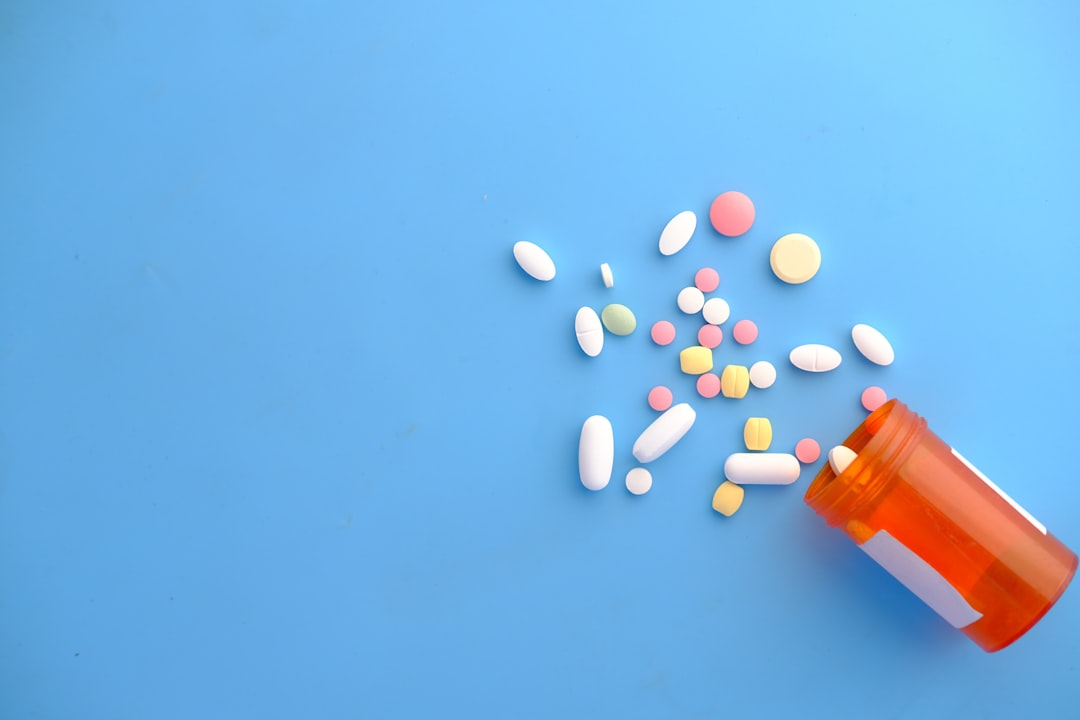
*Photo by Towfiqu barbhuiya on Unsplash*
Why it helps
Blood pressure is not always captured by one clinic reading. Some people have white-coat hypertension, where clinic readings are higher because of anxiety. Others have normal clinic readings but higher home or work readings. Medication routines can also drift over time.
Team-based care helps catch those gaps. Pharmacists can review interactions and timing. Nurses can reinforce measurement technique and lifestyle questions. Clinicians can adjust the overall plan. The patient brings the most important data: repeated home readings and real-world symptoms.
How to measure at home
Good home blood-pressure practice includes:
- Resting seated for at least five minutes before measuring
- Avoiding caffeine, smoking, or exercise immediately before
- Keeping the arm supported at heart level
- Measuring more than once, with a short interval
- Recording date, time, and reading rather than relying on memory
Home records are useful because they show patterns, not just one high number. They can make a short clinic visit much more actionable.
Practical use in Korea
In Korea, clinic visits, pharmacies, health-screening results, and local health centers can feel disconnected. Patients can help connect the dots by bringing a simple list: screening blood pressure, clinic readings, home readings, medication names, dosing times, and possible side effects.
A pharmacy conversation can also be useful. Cold medicines, pain relievers, diuretics, and other drugs may affect blood pressure or how a person feels. A clear medication list is often more helpful than a vague memory.
Warning signs
Severe symptoms such as chest pain, shortness of breath, fainting, one-sided weakness, speech problems, vision change, or an extremely high repeated reading may require urgent care. Blood pressure can be silent, but that does not mean it is harmless.
Related health notes
For a related thread, see the health category or under #blood pressure, #hypertension, and #cardiovascular health. Also see small heart-health changes guide.

*Photo by National Cancer Institute on Unsplash*
Disclaimer
This article is not medical advice. Blood-pressure medication, testing, and emergency decisions should be discussed with a healthcare professional. If symptoms occur or readings remain high, seek care.
Background
References: CDC Team-Based Care, PMC Team-Based Care Trial, PubMed TOGETHER Trial, NHLBI Blood Pressure
Tags: #blood pressure #hypertension #pharmacist care #cardiovascular health