Health · · Yunsuk Choi
Disclaimer — This article provides drug and clinical information and is not a substitute for medical diagnosis or prescription. Always consult a qualified clinician before considering any obesity medication.
Research context
Boehringer Ingelheim's obesity candidate Survodutide delivered roughly 17% average weight loss in its Phase 3 readout. That is close to Wegovy (semaglutide) and short of Zepbound (tirzepatide)'s 22%, but the twist is the dual-action mechanism — GLP-1 plus glucagon, not GLP-1 alone.
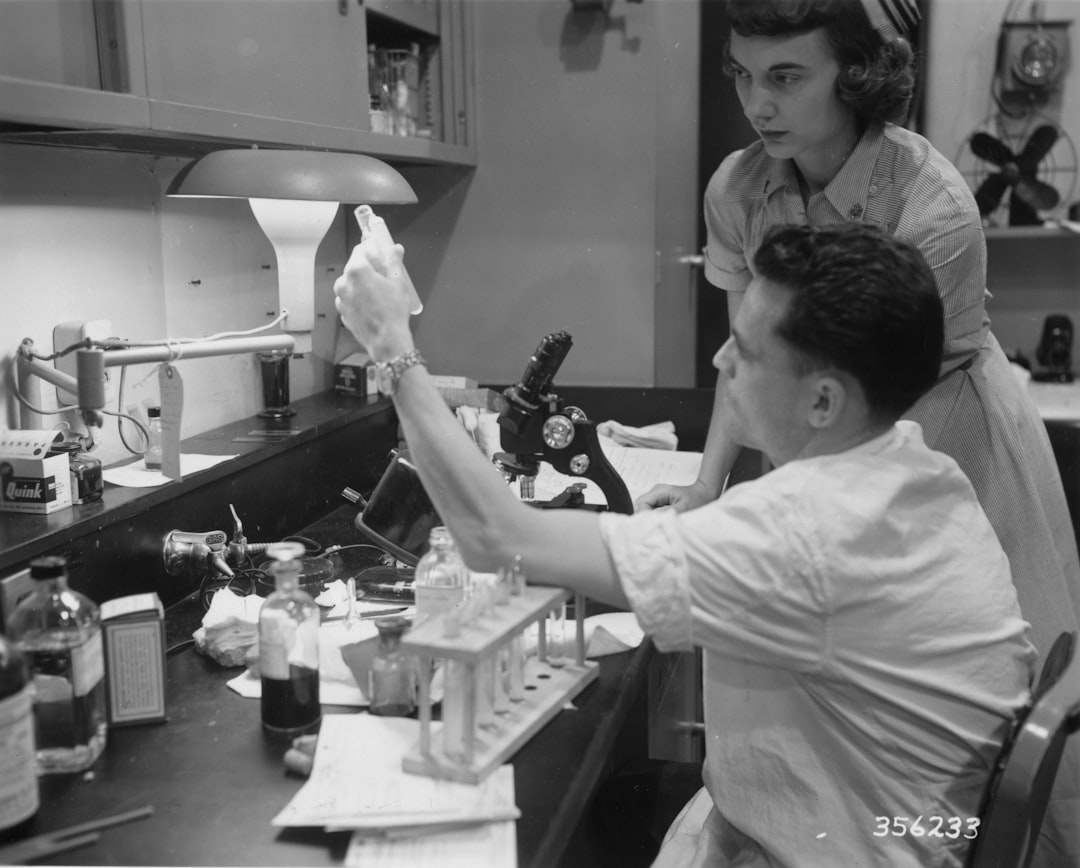
*Photo by Navy Medicine on Unsplash*
Trial at a glance
Combining the read from BioPharma Dive and Fierce Biotech:
| Item | Detail |
|---|---|
| Trial name | SYNCHRONIZE-1 (Phase 3) |
| Participants | ~725 |
| Duration | 76 weeks |
| Avg. weight loss | ~16.6-17% |
| Comparison | tirzepatide ~22%, on par with semaglutide |
| Developers | Boehringer Ingelheim and Zealand Pharma |
Why dual action matters
Existing GLP-1 drugs suppress appetite and stimulate insulin secretion. Survodutide adds glucagon receptor activation on top of that.
- GLP-1 effect: less appetite, more satiety
- Glucagon effect: more energy expenditure, more hepatic lipid metabolism
- Result: weight loss skewed toward fat with relative preservation of muscle mass
ConscienHealth's analysis puts it this way: "Weight loss isn't quite at Zepbound's level, but the body composition profile may matter on its own." That is a direct answer to the sarcopenia concern often raised with obesity drugs.

*Photo by Cht Gsml on Unsplash*
Against Wegovy and Zepbound
"Survodutide isn't the efficacy leader. But on body composition, the picture looks different."
— summarized from Fierce Biotech
| Drug | Weight loss | Mechanism |
|---|---|---|
| Zepbound (tirzepatide) | ~22% | GLP-1 + GIP |
| Survodutide | ~17% | GLP-1 + glucagon |
| Wegovy (semaglutide) | ~15% | GLP-1 only |
Will it reach Korea?
- Global approval timeline: Boehringer is still running SYNCHRONIZE-2 (obesity with type 2 diabetes). FDA filing timing to be confirmed by the company.
- Korean MFDS approval: undecided. Korean launches typically come 6 months to 2 years after global release.
- Insurance: obesity drugs are usually non-reimbursable in Korea, meaning meaningful out-of-pocket cost.
TL;DR
- Survodutide Phase 3 SYNCHRONIZE-1 — average weight loss roughly 17%
- GLP-1 + glucagon dual agonist, with a muscle-preservation angle
- Slots between Zepbound (22%) and Wegovy (~15%)
- Korean approval path and timing remain undefined
The obesity drug market is moving from single GLP-1 agents toward dual- and triple-action candidates. The era when Wegovy and Zepbound were the only choices is ending.
For more, see the health category or the #GLP-1 and #obesity tags. The Baxfendy hypertension drug rundown is also worth a look.
Source material
What I checked: Boehringer Ingelheim official, Healthline, BioPharma Dive, Fierce Biotech, ConscienHealth
Tags: #Survodutide #GLP-1 #obesity #clinical trial