Health · · Yunsuk Choi

Disclaimer — This article is general health information. Stroke symptoms can be an emergency. Face drooping, arm weakness, speech trouble, sudden vision changes, severe headache, or sudden confusion require urgent medical attention.
What to notice
Stroke can suddenly change walking, speech, hand use, swallowing, and daily independence. NIH News in Health's May 2026 coverage highlighted rehabilitation research and home-based approaches. The central message is that recovery often depends on specific, repeated practice guided by a care team.
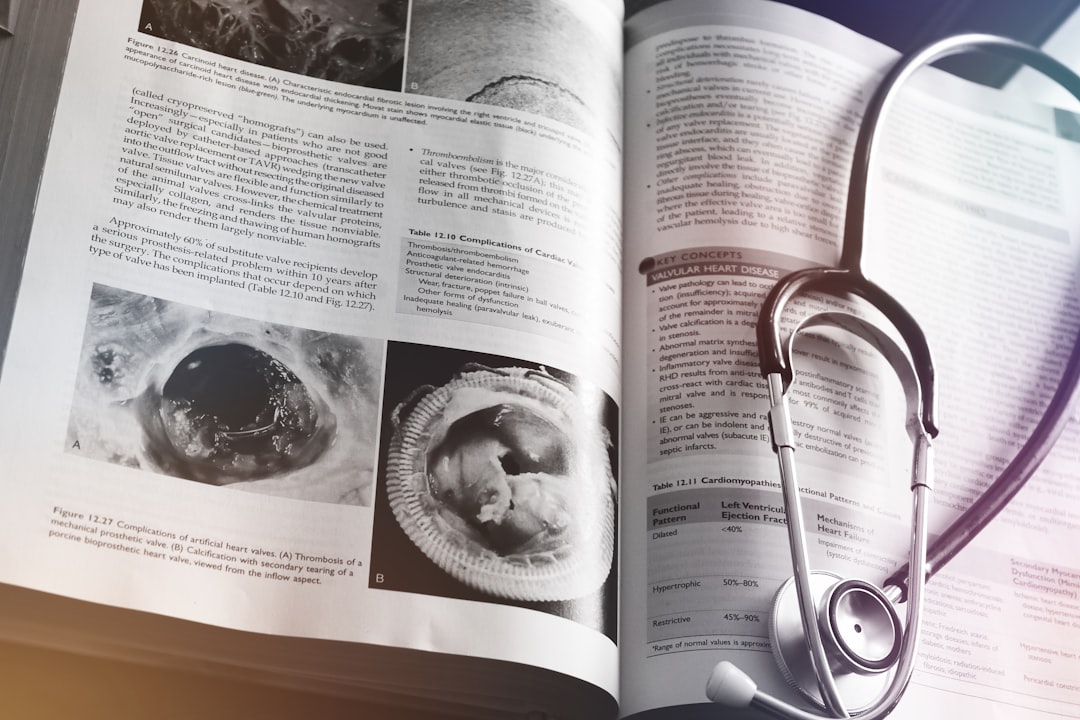
*Photo by Abdulai Sayni on Unsplash*
Why rehabilitation matters
NINDS explains that rehabilitation helps people relearn lost skills, adapt to remaining limitations, and reduce long-term disability. It can include physical therapy, occupational therapy, speech therapy, nursing care, social work, and psychological support.
The brain can reorganize after injury, but that process needs targeted practice. NIH describes this as a kind of remapping. Repeated tasks with clear goals can help the brain and body rebuild function where possible.
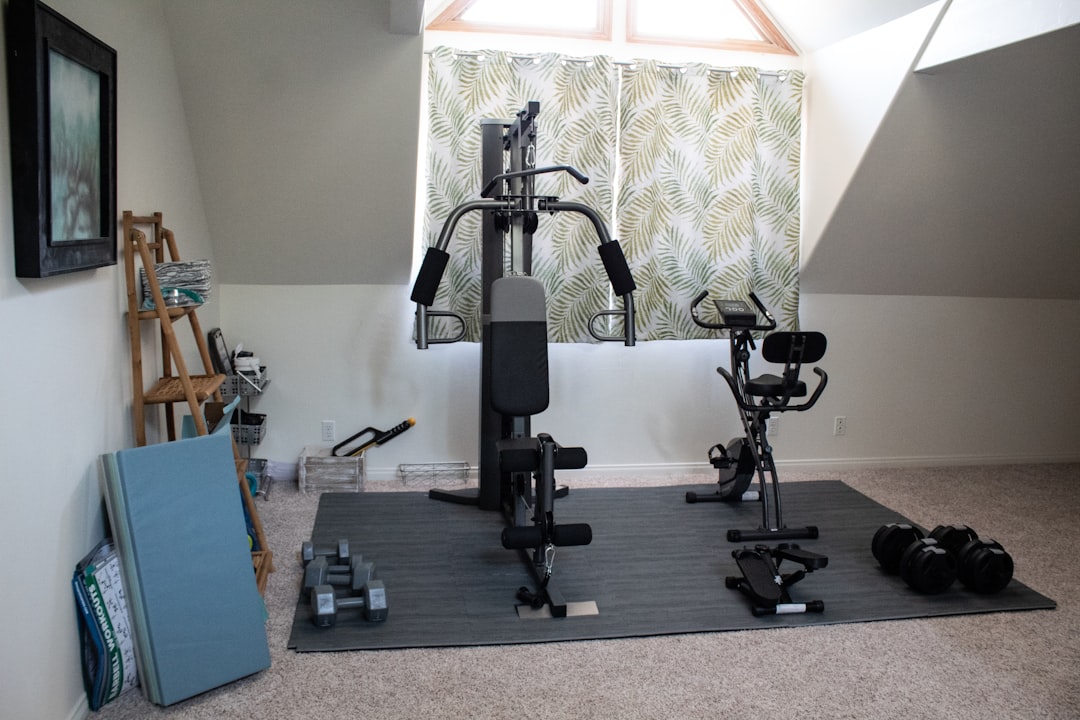
*Photo by Brian Wangenheim on Unsplash*
Why remote rehabilitation is getting attention
Access is a major challenge. Not every patient lives near a rehabilitation center, and not every family can travel daily. NIH News in Health discussed computer- and internet-supported home rehabilitation for arm movement, with online therapist check-ins to adjust exercises.
Remote rehab should not be seen as a full replacement for in-person care. It is a way to extend access and maintain practice after discharge. Cognitive status, caregiver support, internet access, fall risk, swallowing problems, and fatigue all affect whether a home program is safe.
Timing and expectations
NIH Research Matters has covered evidence suggesting that intensive rehabilitation around two to three months after stroke may be linked with meaningful arm and hand recovery in some patients. That does not mean every person follows the same timeline.
Stroke severity, location, age, other disease, and the speed of emergency care all affect recovery. The practical message is to start early when medically appropriate, but not to give up later. Goals can be adjusted as recovery changes.
Family checklist
Before and after discharge, families can ask:
- Which function is the top rehab goal: walking, hand use, speech, or swallowing?
- What home modifications reduce fall risk?
- Which medicines help prevent another stroke?
- How should daily exercises and fatigue be recorded?
- What symptoms mean emergency care is needed?
Support matters
Caregivers often want to "make the patient exercise more." A safer approach is to build a sustainable routine: short repeated sessions, clear rest breaks, uncluttered walking routes, and a simple record of progress. Noticing small improvements can help the care team adjust goals.
Related health notes
For a related thread, see the health category or under #stroke, #rehabilitation, and #recovery. Also see small heart-health changes guide.
*Photo by Markus Winkler on Unsplash*
Disclaimer
This article is educational content and does not replace medical care. Stroke warning signs require emergency evaluation. Rehabilitation plans, exercise intensity, and medication changes should be discussed with the treating team.
What I checked
Source material: NIH News in Health, NINDS Stroke Recovery, NIH Research Matters, American Stroke Association
Tags: #stroke #rehabilitation #telehealth #recovery