Finance · · Yunsuk Choi

Disclaimer — This article provides market information, not investment advice. US equities and IPOs carry significant volatility and the risk of principal loss. All investment decisions and outcomes are the reader's responsibility.
1. Numbers first
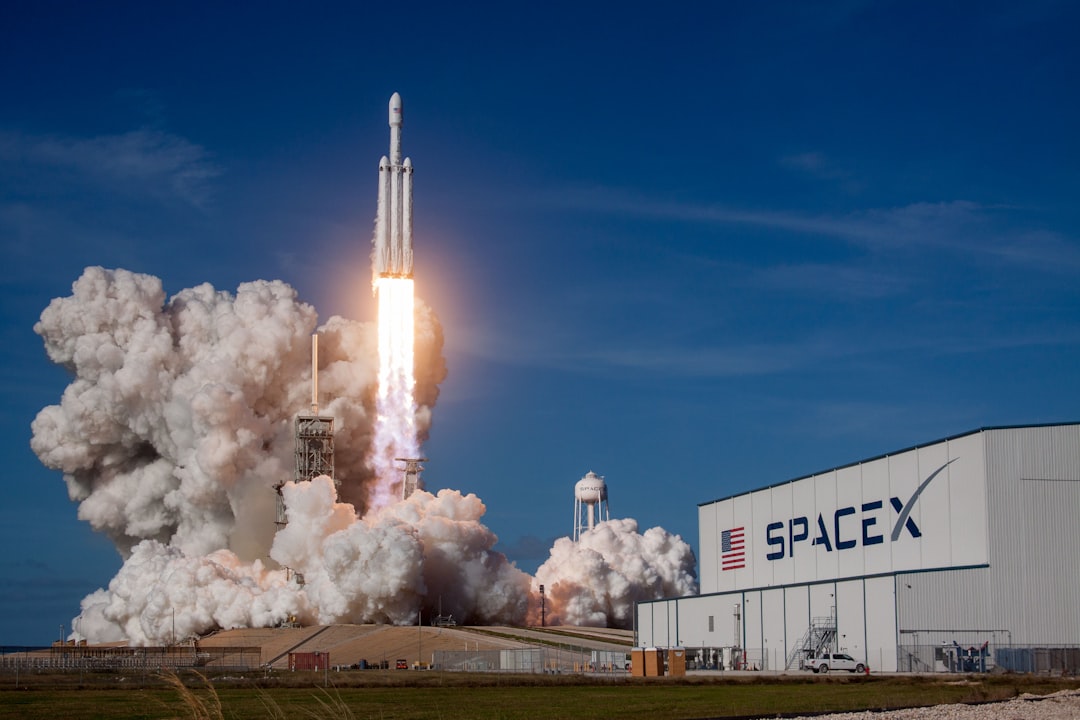
Late on May 20, SpaceX's S-1 filing landed on SEC EDGAR. The deal is being framed as a contender for the largest IPO in US history: a valuation up to $1.75 trillion, a raise of up to $80 billion, and a ticker — SPCX.
2. Key numbers at a glance
| Item | Detail |
|---|---|
| S-1 filing date | 2026-05-20 |
| Exchange | Nasdaq (with dual listing on Nasdaq Texas) |
| Ticker | SPCX |
| Valuation | ~$1.7-1.75 trillion |
| Raise size | Up to $75-80 billion |
| Roadshow start | 2026-06-04 |
| Pricing | 2026-06-11 |
| Trading begins | 2026-06-12 |
| Q1 2026 revenue | $4.69B |
| Q1 2026 net loss | $4.28B |
Bloomberg, TechCrunch, Fortune, and NBC News hit roughly the same tone. "Biggest IPO ever" appears in every headline.
3. Voting structure — Musk holds 85.1%
The structural detail that jumps off the page is the dual-class share setup.
- Class A: one vote per share (what retail will buy)
- Class B: ten votes per share (insiders)
Musk holds 12.3% of Class A and 93.6% of Class B, giving him 85.1% of voting power outright. The probability of public shareholders meaningfully steering the company is, practically, zero.
"Dual-class structures aren't new — Meta and Google have them — but a concentration this extreme is unusual. Investors need to understand the voting setup before entering."
According to Fortune, the prospectus also includes provisions waiving jury trial rights and class action rights for shareholders in some matters. Several observers call this less retail-friendly than a typical US IPO.
4. A $4.28B quarterly loss — what does it say?
Q1 revenue of $4.69B against a $4.28B loss. The loss is nearly 8x the $528M reported a year earlier.
The driver is Starship development spending plus xAI-related investment. TechCrunch flagged "AI bets, Starship vision, and references to an xAI-Anthropic deal" as recurring themes in the S-1. Revenue comes from Starlink subscriber growth; the losses come from next-generation rockets and AI infrastructure.
For investors, that means:
- Growth story: Starlink + next-gen rockets + AI infrastructure stack
- Cash flow concern: losses are widening, IPO proceeds could be burned through quickly
- TAM: the company cites a $28.5 trillion total addressable market — that is the company's own framing

*Photo by Adam Śmigielski on Unsplash*
5. How can Korean investors get in?
This is a US IPO, so a Korean resident needs a US brokerage account. Most domestic securities firms' overseas trading accounts qualify.
- Post-listing buy: from June 12, treat it like any other US stock
- IPO allocation: primarily through US retail channels (Schwab, Fidelity, Robinhood, SoFi, E*Trade) — eligibility for Korean residents needs separate confirmation
- Domestic broker subscription: depends on issuer and exchange policy. KB, Samsung, and Mirae Asset may publish separate subscription guidance.
- Currency and taxes: standard US stock tax rules — 22% capital gains tax (with a 2.5 million KRW annual exemption), 15% dividend withholding
"Korean retail rarely gets in at the IPO price. Most people end up buying at market on day one, when volatility is usually well above normal."
— a Korea-based US equities broker
6. Caveats before you click buy
Before jumping in on excitement, several things deserve attention.
- Day-one volatility — large IPOs routinely swing ±10% or more on debut; market orders are risky
- No voting power plus waived rights — long-term holders should go in eyes open
- Cross-exposure with TSLA — Musk-related macro risk can hit SPCX and TSLA together
- Widening losses — next-gen rocket and AI spend weighs on near-term results
- Lockup expiry — insider lockup (typically 90-180 days) can bring supply pressure
*Photo by Tötös Ádám on Unsplash*
7. TL;DR
- S-1 filed May 20, trading begins June 12, ticker SPCX
- Valuation around $1.75 trillion, raise up to $80 billion — the largest IPO ever
- Musk holds 85.1% of voting power (Class A 12.3% + Class B 93.6%)
- Q1 revenue $4.69B / net loss $4.28B — losses are widening
- Korean investors need a US brokerage account; expect outsize day-one volatility
This is the most-hyped US IPO of the year — no contest. But the financial profile, the voting structure, and the rights-waiver provisions all belong in your decision. Reading the S-1 itself, even briefly, is worth your time.
For more, see the finance category or the #IPO and #us-stocks tags. The Samsung union tentative deal is also worth a read.
8. Sources
Sources: Bloomberg, TechCrunch, Fortune, NBC News, TradingKey Asia guide, SEC EDGAR
Tags: #SpaceX #IPO #Musk #US stocks