Health · · Yunsuk Choi

Disclaimer — This article is general health information. Blood glucose interpretation, diabetes diagnosis, medication changes, and diet plans should be discussed with a qualified healthcare professional.
What to notice
When people talk about diabetes, they usually start with blood sugar, insulin resistance, food, and exercise. NIH-covered research points to another layer: the cell composition inside the pancreatic islets that help regulate blood glucose.
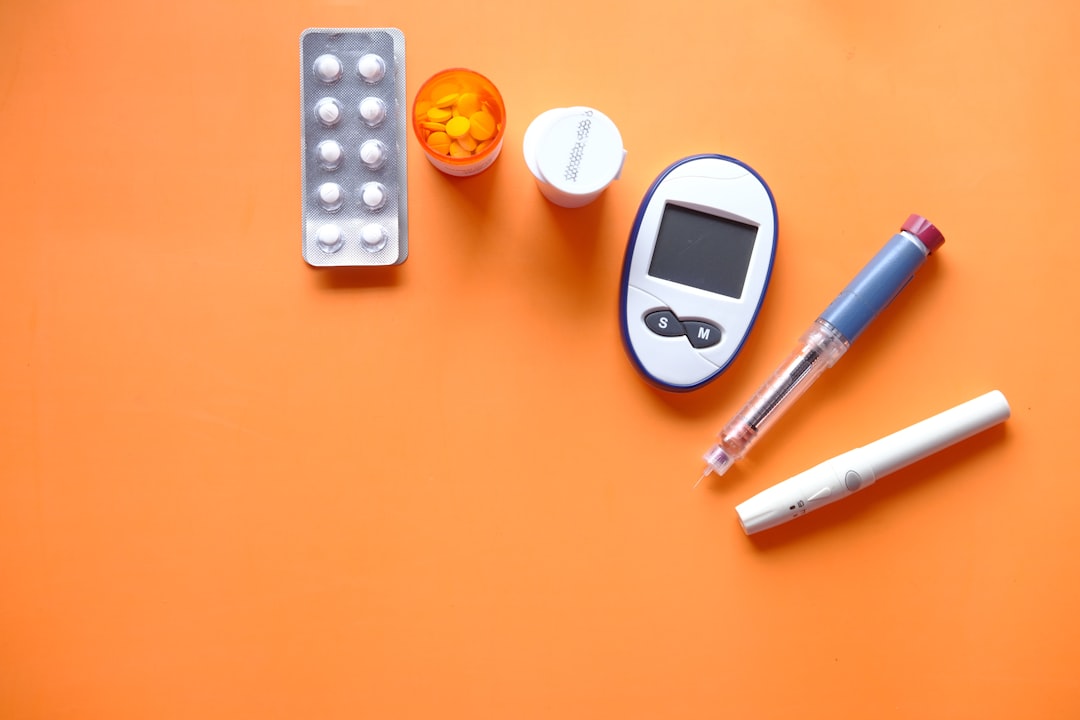
*Photo by Towfiqu barbhuiya on Unsplash*
What the study examined
NIH reported that researchers analyzed human pancreatic islet cells from 299 donors through the NIH-supported Integrated Islet Distribution Program. Islets contain beta cells that produce insulin, alpha cells that produce glucagon, and delta cells that produce somatostatin, among other cell types.
The key message is that the composition and characteristics of these hormone-producing cells vary substantially between people. That variation may help researchers better understand why diabetes risk and progression differ from one person to another.

*Photo by Ousa Chea on Unsplash*
What to watch
Diabetes is not one simple pathway. In some people, insulin resistance dominates. In others, declining beta-cell function may be more important. Type 1 diabetes, type 2 diabetes, gestational diabetes, and blood-sugar problems after pancreatic disease can all involve different mechanisms.
A better map of human islet biology may eventually support risk prediction, drug-response analysis, or more personalized treatment strategies. For now, it mainly deepens the scientific foundation.
What does not change today
This does not mean routine clinics can now scan someone's islet-cell map and predict diabetes risk directly. The study is based on donor tissue and research analysis. Moving from a cell atlas to everyday screening or treatment requires additional validation.
Still, the public-health lesson is useful. Blood-sugar management is not a short-term diet event. Family history, sleep, weight, activity, stress, medication use, and eating pattern all interact.
Practical checklist
If you are concerned about blood sugar, track:
- Fasting glucose, HbA1c, and post-meal glucose separately
- Family history and any history of gestational diabetes
- Waist circumference and activity, not only body weight
- Sleep loss and late-night eating patterns
- Medications that may affect glucose control
Connecting research to daily care
The islet research highlights individual variation. That is a good reminder not to copy someone else's diet, supplement routine, or medication experience. What works for one person may not match another person's physiology or clinical risk.
Keeping a simple record of recent weight change, sleep, exercise, illness, and medication use can help a clinician interpret lab results in context. Small notes can be surprisingly useful in a medical visit.
Related health notes
For a related thread, see the health category or under #diabetes, #pancreas, and #metabolic health. Also see our small heart-health changes guide is a good companion.
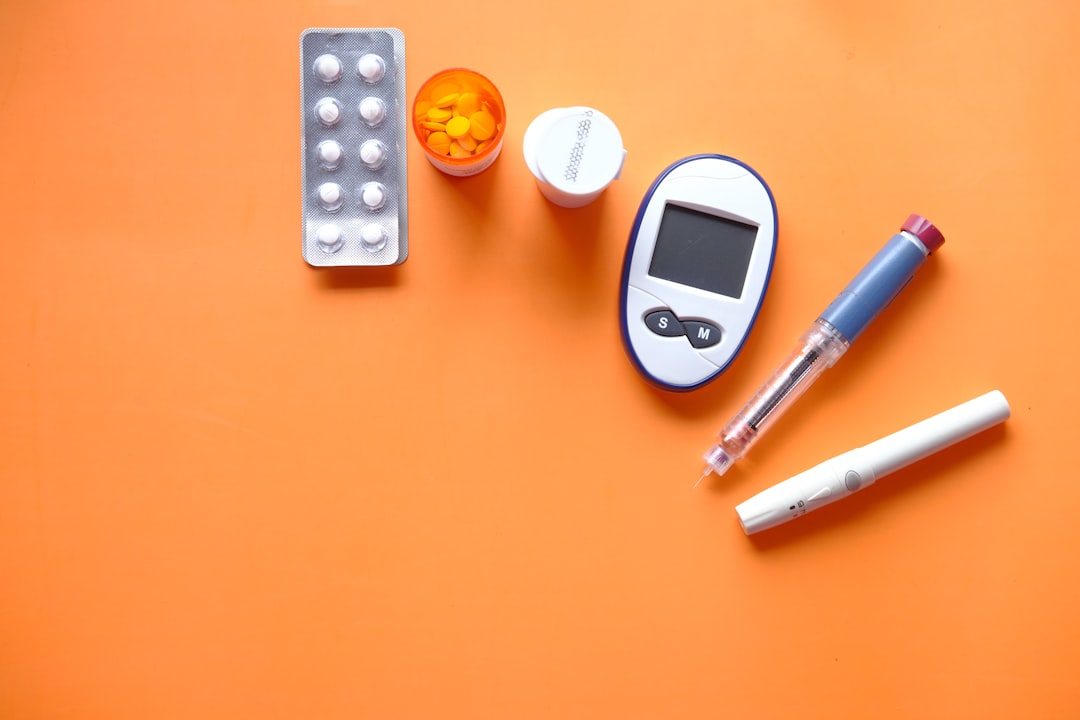
*Photo by Towfiqu barbhuiya on Unsplash*
Disclaimer
This article is informational and does not replace medical care. If you have symptoms, abnormal glucose results, or questions about medication, seek professional evaluation.
References
What I checked: NIH News Release, NIDDK, Integrated Islet Distribution Program, PubMed
Tags: #diabetes #pancreas #insulin #metabolic health