Health · · Yunsuk Choi

Disclaimer — This article is general medical information and does not replace diagnosis or prescription. Any decision to start, stop, or switch GLP-1 drugs must be made with a healthcare provider.
What to notice
What happens when you start GLP-1 drugs like Wegovy, Ozempic, or Zepbound — and then stop? Three recent WHO-commissioned reviews plus follow-up research now provide an answer. One-line summary: "Stop them and you'll regain quickly, but there are multiple paths."
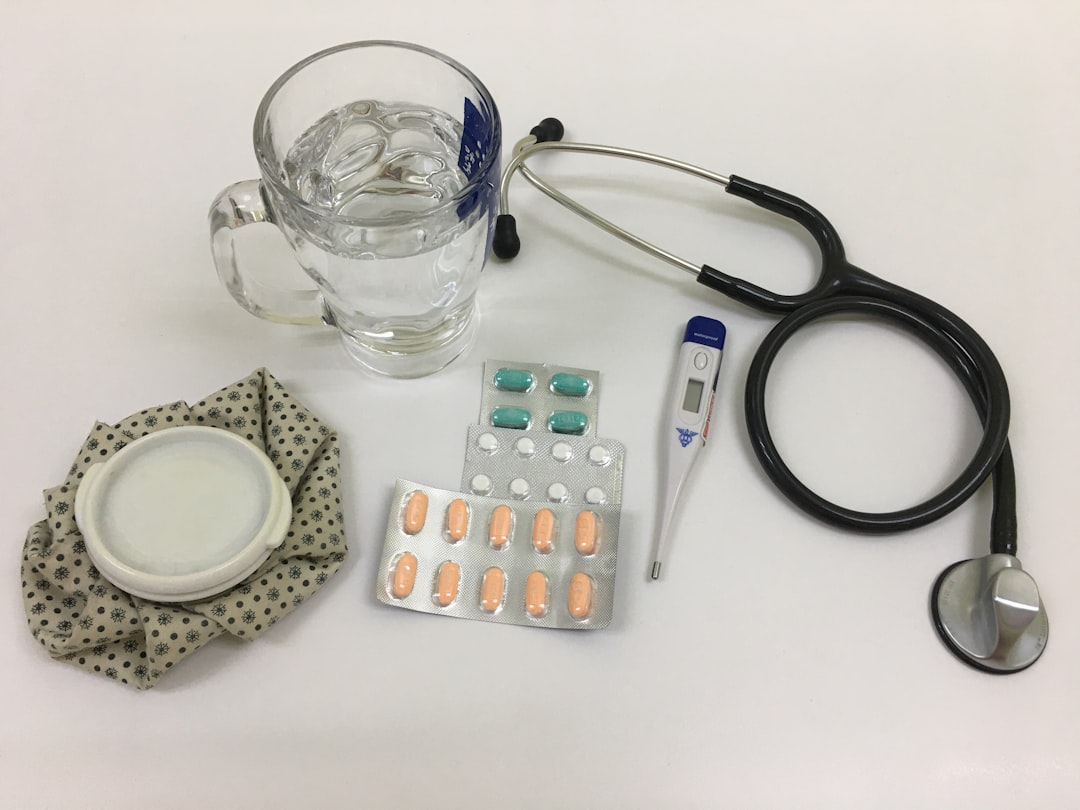
*Photo by Kristine Wook on Unsplash*
What the WHO review found on efficacy
According to ScienceDaily's coverage, three WHO-commissioned reviews synthesized the data on GLP-1 efficacy.
| Drug | Average weight loss (12–18 months) |
|---|---|
| Tirzepatide (Mounjaro/Zepbound, weekly) | ~16% |
| Semaglutide (Ozempic/Wegovy) | ~15% |
| Liraglutide | ~8% |
That's a meaningful range in obesity treatment. The catch: those numbers reflect continuous use.
What happens after stopping?
A follow-up ScienceDaily report and NPR's analysis point in the same direction.
"Weight regain after stopping GLP-1s tends to be faster than after weight loss achieved through diet and exercise alone."
— WHO review summary
Key data points:
- One-year persistence: fewer than 25% of patients are still on the drug a year after starting
- That is, 3 out of 4 stop within a year
- Reasons vary: side effects, cost, doubts about efficacy, supply shortages
But not everyone regains
A March ScienceDaily report flagged an interesting follow-up. In a ~8,000-person real-world cohort:
- Common patterns among those who stopped but maintained:
- Restarting (same drug or another GLP-1) - Switching to another GLP-1 (e.g., Wegovy → Zepbound) - Stepping up diet and exercise
- "Stopping equals yo-yo" is not automatic. But stopping without a plan tends to lead to fast regain.
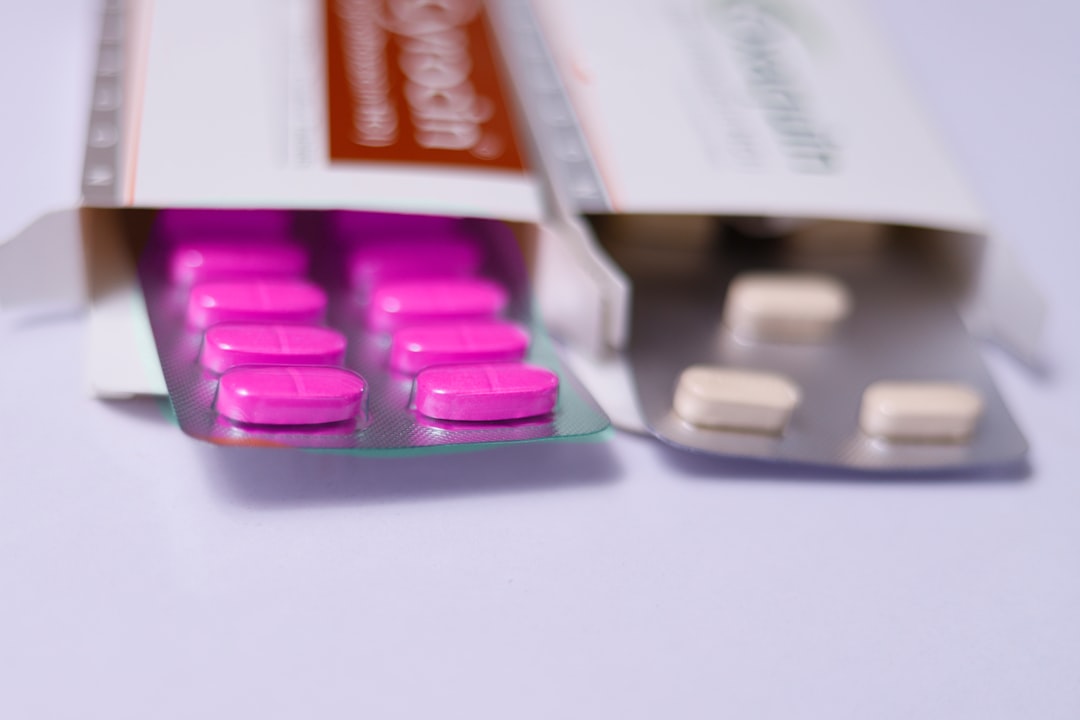
*Photo by Melany @ tuinfosalud.com on Unsplash*
So how should they be used?
Treating GLP-1s as a short-term diet tool is a risky framing. The overall WHO review tone:
- Treat as long-term therapy — like managing hypertension or diabetes
- Routine monitoring with a physician to track side effects
- Pair with exercise and diet — and plan for the day you stop
- Watch for muscle loss — protein intake and strength training matter
Why this matters for Korea
The Wegovy launch in Korea is covered in a separate post. GLP-1 prescriptions are rising domestically, but the drugs are not reimbursed, so monthly out-of-pocket costs of roughly KRW 800,000–950,000 (~$600–700) are typical. Going in knowing that "stopping leads to fast regain" matters as much as the decision to start.

*Photo by Israt Yasmin Piya on Unsplash*
TL;DR
- WHO-commissioned reviews: tirzepatide ~16%, semaglutide ~15% weight loss over 12–18 months
- Post-discontinuation regain is faster than after diet-and-exercise loss
- One-year GLP-1 persistence is under 25%
- But restart, switch, and lifestyle reinforcement can preserve results (8,000-person cohort)
- Frame this as chronic disease management, not a short-term diet aid
Building a plan for "what happens when I stop" matters more than the decision to start.
Check out more from our health category, or the #GLP-1 and #diet tags. Our piece on Survodutide's Phase 3 trial is a useful companion read.
Background
Sources consulted: ScienceDaily — WHO review, ScienceDaily — persistence, ScienceDaily — restart study, NPR
Tags: #GLP-1 #Wegovy #Ozempic #diet