Finance · · Yunsuk Choi

Disclaimer — This article is market information, not investment advice. It does not recommend buying or selling any security, bond, currency, ETF, or derivative. Financial products can lose value.
1. Market backdrop
The market narrative around the Federal Reserve is shifting. Not long ago, many investors treated rate cuts as the next obvious move. Reuters-related coverage and Axios now point to a different discussion: inflation pressure has pushed some market pricing back toward the possibility of higher rates.

*Photo by Markus Winkler on Unsplash*
2. What changed
Reuters coverage via Investing.com reported that interest-rate futures have started to reflect greater concern about future Fed tightening. Axios also discussed market probabilities based on CME FedWatch, noting that investors are no longer treating cuts as the only plausible path.
The reason is inflation. If energy prices, geopolitical risk, and strong economic data keep price pressure alive, the Fed may have to keep policy restrictive for longer. In a more hawkish scenario, the market has to consider additional tightening.
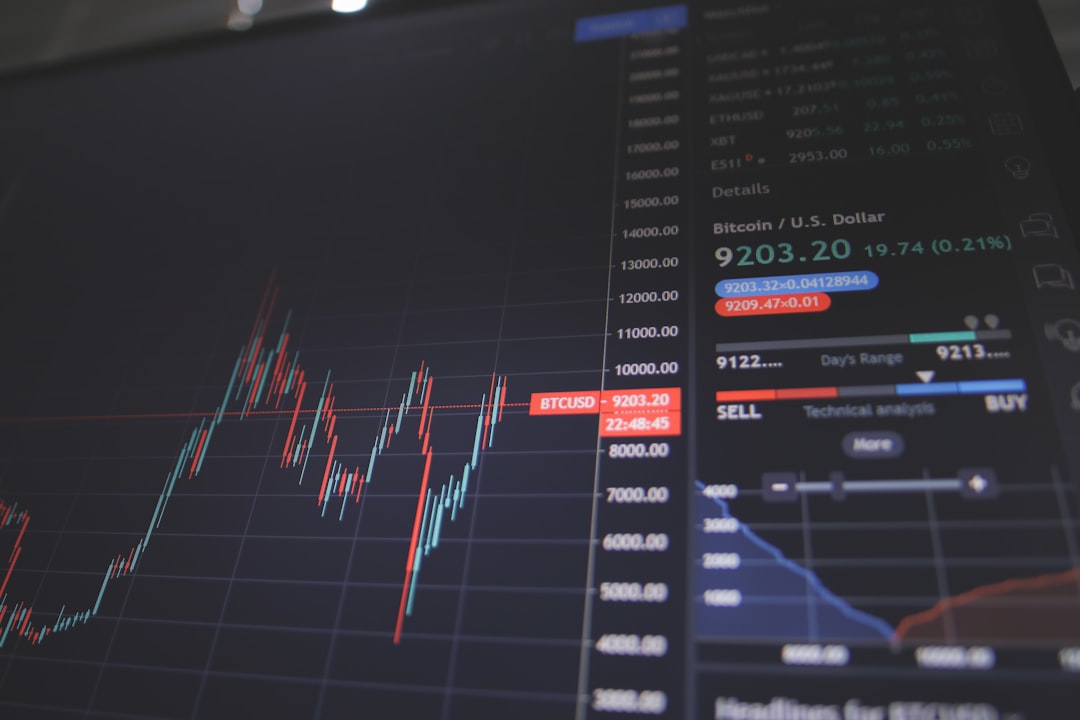
*Photo by Nick Chong on Unsplash*
3. How it spreads across assets
Rate-hike expectations usually show up first in bonds. When yields rise, existing bond prices fall, especially for longer maturities. Stocks can also reprice because higher discount rates reduce the present value of future earnings.
The dollar can strengthen when US rates look more attractive than rates elsewhere. But that can pressure emerging-market currencies, commodities, and companies with meaningful foreign-exchange exposure.
4. Why Korean investors should care
Korean investors need to connect US rates with the won-dollar exchange rate, Bank of Korea policy, household borrowing costs, and overseas-stock returns. A stronger dollar can soften losses for existing US-asset holders, but it raises the cost of new dollar purchases.
US long-term yields can also affect Korean bond funds, REITs, growth stocks, and rate-sensitive sectors. This is not only a US story.
5. Checks to keep
When rate expectations change, check:
- Whether FedWatch probabilities move in the same direction for several days
- The difference between 2-year and 10-year yields
- The dollar index and USD/KRW together
- Duration in bond funds and ETFs
- Exposure to leverage, high-valuation growth stocks, and floating-rate debt
6. Limits
Futures-market probabilities are not forecasts carved in stone. Inflation, jobs, oil, and Fed speeches can change the path quickly. Rather than rebuilding an entire portfolio after one data point, it is usually more useful to identify which scenario you are already overexposed to.
Households with debt should also check their cash-flow sensitivity. Market headlines become personal when they affect loan resets, interest payments, and emergency savings.
7. Reader checks
For Federal Reserve, the useful move is to separate the market signal from a trading decision. Check what is already priced in, what still needs confirmation, and which assets are most sensitive to the variable in question. A headline can be important without being a complete portfolio instruction.
- Exposure: map cash, dollar assets, long-duration bonds, growth stocks, and crypto separately.
- Timing: distinguish the first market reaction from the next data point or policy event.
- Decision rule: compare the story with position size, time horizon, and loss tolerance before acting.
That keeps the article useful as a conditions checklist, not as a promise about returns.
8. Related market notes
For a related thread, see the finance category or under #Federal Reserve, #rates, and #bonds. Also see Bank of Korea May policy outlook.
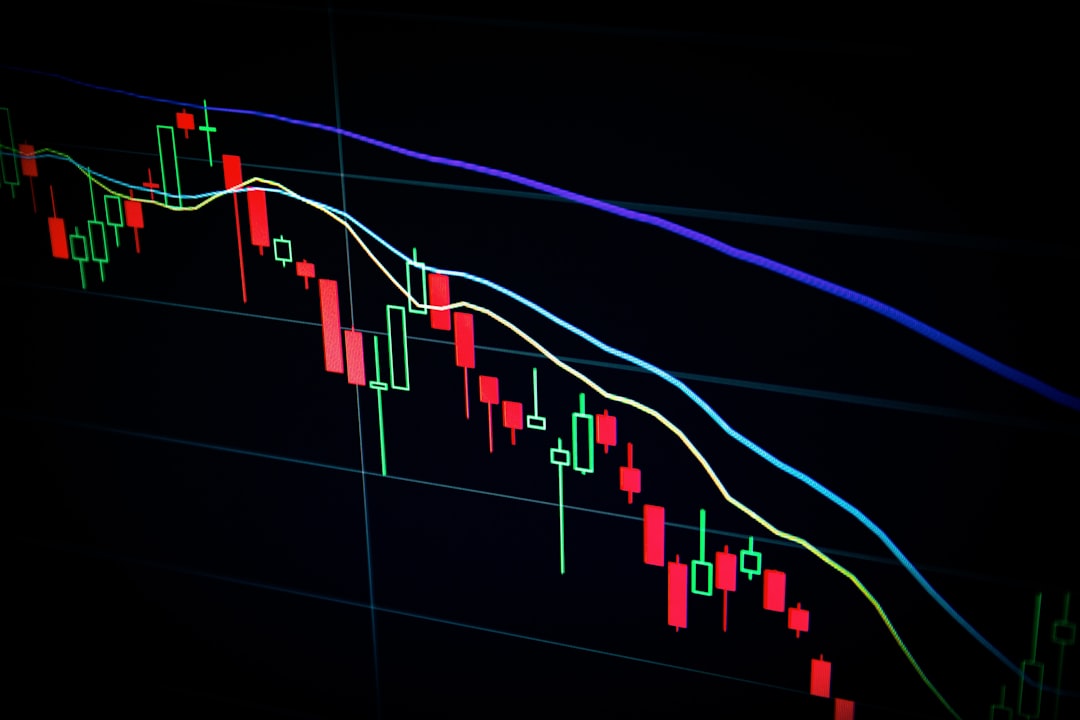
*Photo by Maxim Hopman on Unsplash*
Disclaimer
This article is not investment advice. Rates, bonds, stocks, currencies, and related products carry market risk. Suitability depends on personal finances, time horizon, and risk tolerance.
9. Sources
Sources: Reuters via Investing.com, Axios, CME FedWatch, Federal Reserve
Tags: #Federal Reserve #rates #inflation #bonds