Finance · · Yunsuk Choi

Disclaimer — This article explains market trends and is not investment advice. It does not recommend trading currencies, ETFs, deposits, futures, or derivatives. Currency exposure can create losses.
1. Market backdrop
The US dollar has strengthened again. Bloomberg reported that the dollar was heading toward its best weekly performance in months as inflation pressure and Fed-hike expectations returned. Reuters-related coverage also noted a multi-day dollar climb.
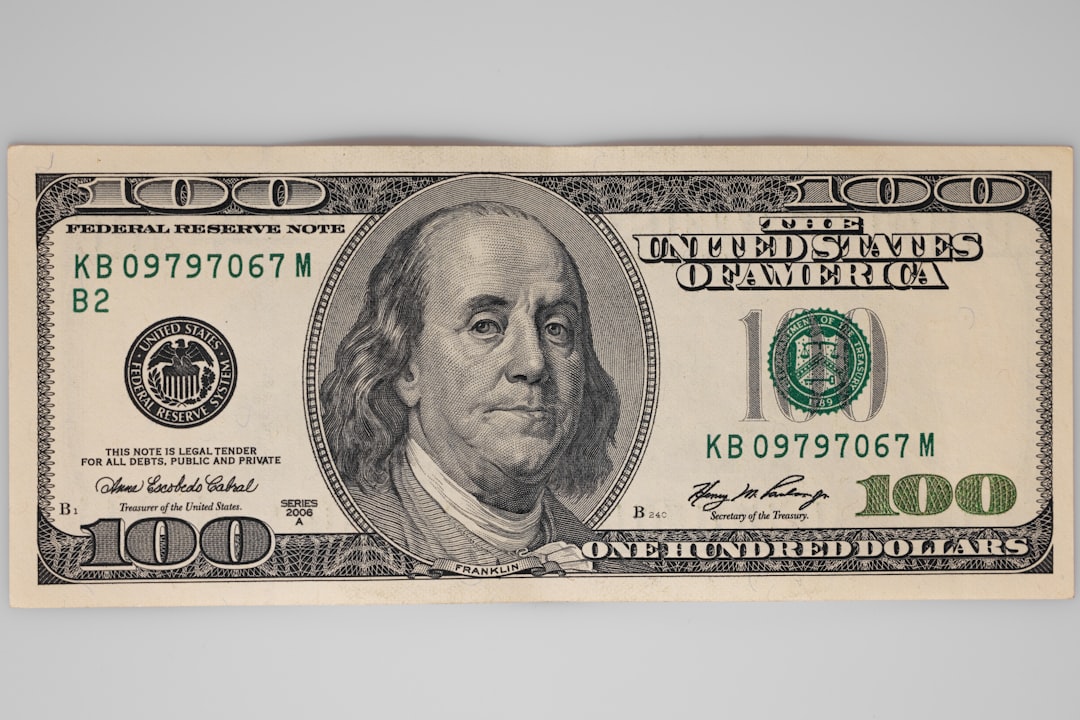
*Photo by engin akyurt on Unsplash*
2. Three forces behind the dollar
The first force is interest rates. If inflation stays stronger than expected, the Fed may keep rates high or even consider another hike. That can make dollar assets more attractive relative to other currencies.
The second force is Treasury yields. Higher yields on US government debt can pull global capital toward dollar assets. The effect is not always simple, because high yields can also signal concern about inflation or fiscal stress, but the yield channel is powerful.
The third force is geopolitical and energy risk. Middle East tension and higher energy prices can feed inflation expectations and increase demand for perceived safe assets.
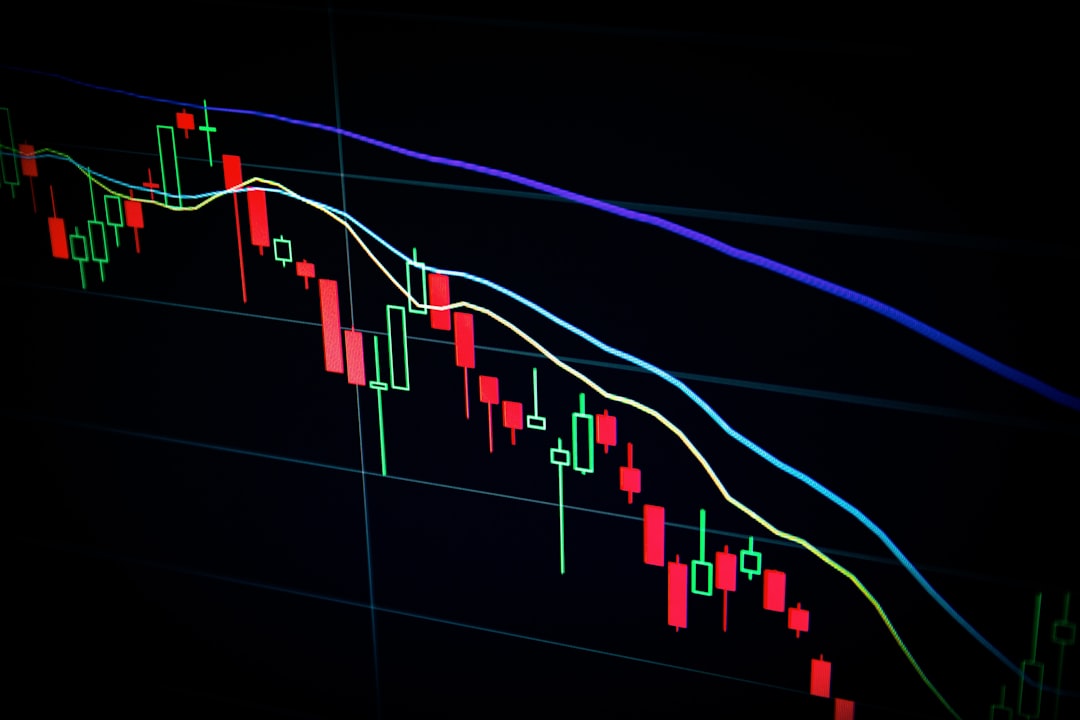
*Photo by Maxim Hopman on Unsplash*
3. What it means for USD/KRW
For Korean investors, dollar strength has several effects at once. Existing US-stock holdings may benefit from FX translation, while new investments become more expensive in won terms. Imports, fuel costs, and travel budgets can also become more burdensome.
It is important to compare USD/KRW with the broader dollar index. If the dollar is rising against many currencies, the story is mostly US-rate and global-risk driven. If the won is uniquely weak, domestic factors deserve more attention.
4. Checks to keep
When watching exchange rates, check:
- Whether the dollar index is also rising
- US 2-year and 10-year Treasury yields
- Oil prices and inflation expectations
- Korea's trade and export data
- Your own purchase exchange rate and purpose
5. Travel and household impact
Currency is not only an investor issue. US and European travel budgets can move quickly when the won weakens. A cheap flight may be offset by higher hotel, food, transport, and shopping costs once exchange rates are applied.
For money you need to spend at a known date, prediction is less important than timing. It can be practical to secure part of the needed currency first, then spread the rest across several dates.
6. Limits
Dollar strength can reverse quickly if inflation cools, Fed communication changes, or geopolitical risk eases. Exchange rates reflect interest-rate gaps, positioning, risk sentiment, and surprise. One headline rarely explains the whole move.
7. Reader checks
For US dollar, the useful move is to separate the market signal from a trading decision. Check what is already priced in, what still needs confirmation, and which assets are most sensitive to the variable in question. A headline can be important without being a complete portfolio instruction.
- Exposure: map cash, dollar assets, long-duration bonds, growth stocks, and crypto separately.
- Timing: distinguish the first market reaction from the next data point or policy event.
- Decision rule: compare the story with position size, time horizon, and loss tolerance before acting.
That keeps the article useful as a conditions checklist, not as a promise about returns.
8. Related market notes
For a related thread, see the finance category or under #US dollar, #exchange rates, and #USDKRW. Also see Bank of Korea May policy outlook.
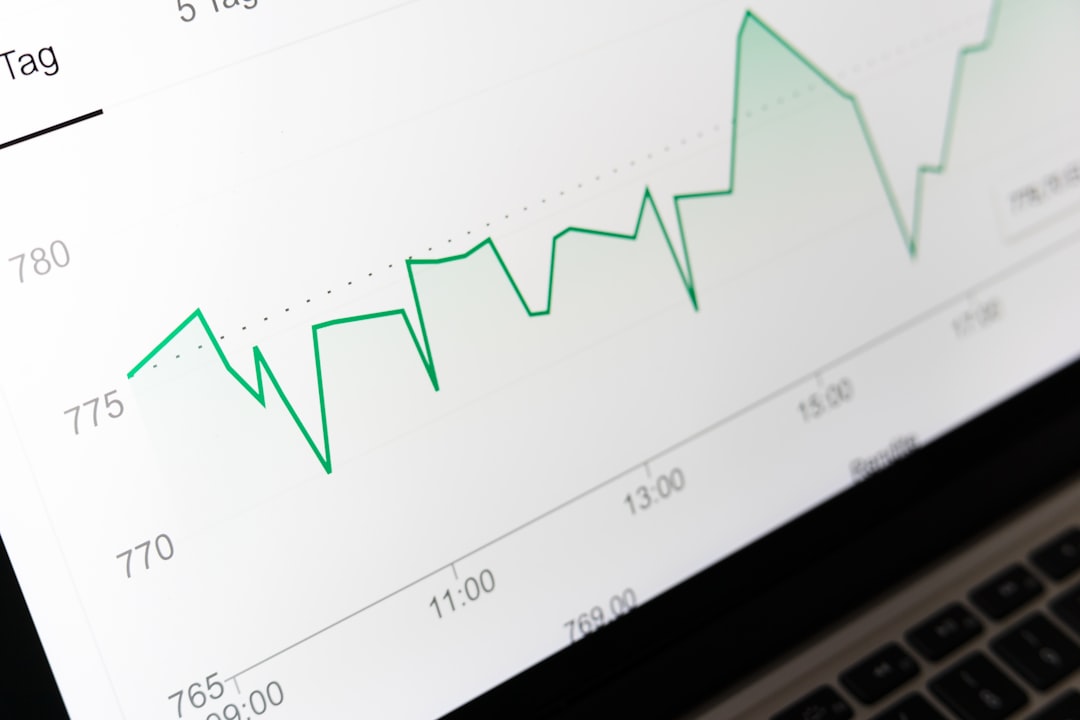
*Photo by Markus Winkler on Unsplash*
Disclaimer
This article is general market commentary, not investment advice. Foreign exchange rates are difficult to predict, and overseas investments or hedging products may lose value.
9. Sources
Sources: Bloomberg, Reuters via Investing.com, MarketScreener Reuters, Federal Reserve
Tags: #US dollar #exchange rates #rate gap #USDKRW