Tech · · Yunsuk Choi

Problem context
Discord has made end-to-end encryption, or E2EE, the default for voice and video calls. According to the company's blog, as of early March 2026, calls in DMs, group DMs, voice channels, and Go Live streams use E2EE by default. Stage channels are an exception.

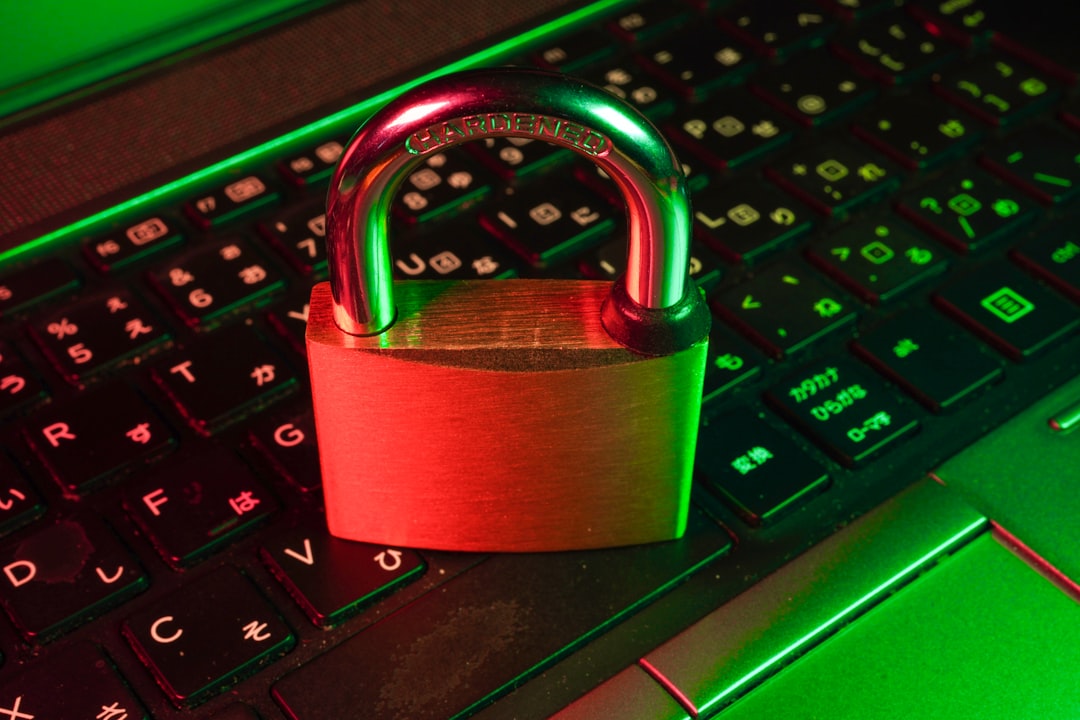
*Photo by Gavin Phillips on Unsplash*
What DAVE is
Discord introduced DAVE in 2024 as an open and audited protocol for end-to-end encryption of audio and video. Since then, it has expanded support across desktop, mobile, web, console, and Social SDK environments. In 2026, Discord began requiring DAVE support for clients participating in calls.
In practice, E2EE means the communication is designed so intermediate servers cannot decrypt the call content. Discord shows a green lock and a privacy code so users can verify call encryption status.
What to watch
Discord began as a gamer-centric communication app, but its use cases have expanded. It now supports study groups, developer communities, fan servers, creator memberships, and lightweight team collaboration. Voice privacy matters more when the platform is used for more than casual gaming.
The technical challenge is also real. A single call may include desktop, mobile, web, and console clients. Keeping latency low while applying default encryption across platforms is not trivial.
What users should check
E2EE for calls does not mean every Discord data type is encrypted in the same way. Text channels, metadata, moderation tools, bot permissions, and reporting flows are separate issues. Security is not one switch.
Users should:
- Keep Discord updated
- Check the call lock icon and privacy code
- Avoid old operating systems that block updates
- Limit bot and admin permissions on sensitive servers
- Remember that text channels use a different model
What server admins should do
Community operators should set expectations clearly. A call may be protected by E2EE, but screenshots, screen recordings, third-party bots, and user behavior can still create privacy risks. Server rules, role permissions, and reporting processes still matter.
Admins using recording bots or external call tools should review their privacy implications. A platform-level call upgrade does not automatically secure every tool connected to a server.
The practical takeaway is simple: Discord has raised the baseline for call privacy, but operational security still depends on updates, permissions, and user behavior. E2EE protects the transport layer; it does not stop a participant from sharing what they hear.
Related tech notes
For a related thread, see the IT category or under #Discord, #security, and #privacy. For a broader security mindset, see our AI and software-platform coverage.
Sources consulted
References: Discord Blog, Discord Help Center, DAVE introduction, MacRumors
Tags: #Discord #E2EE #security #privacy