Finance · · Yunsuk Choi

Notice — This article summarizes market and policy information. It is not investment advice, a recommendation, or a guarantee of returns. Assets can lose value.
1. Market context
China Offshore Debt Delay is the English companion note for the Korean Daily Issue report published on 2026-05-25. The original article follows Bloomberg, Business Times, NDRC and frames the story around practical reader decisions rather than a quick headline summary.
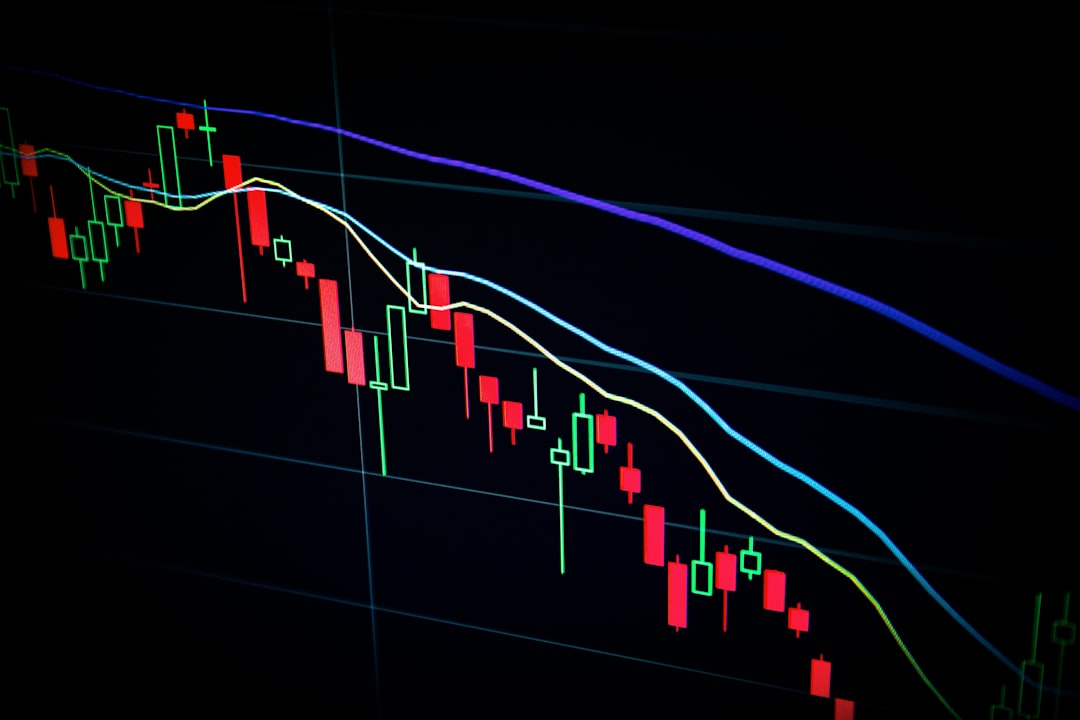
*Photo by Maxim Hopman on Unsplash*
For readers outside Korea, the useful angle is not only what happened. The more important question is how the story changes planning, adoption, risk checks, or follow-up reading. That is why this version keeps the same slug and date while restating the key checks in English.
2. What moved
The Korean report treats China Offshore Debt Delay as a signal within the finance category. It separates the announcement or study from the parts readers can actually act on: timing, availability, costs, policy limits, user eligibility, and the uncertainty that remains after the first news cycle.
A common mistake with fast-moving news is to turn a single report into a final conclusion. This article reads the source material more cautiously. The story is useful because it shows a direction of travel, but it still needs source verification before a booking, deployment, treatment conversation, or portfolio decision.
3. Numbers and market structure
The visible figures and markers in the source material include 1,000. These details should be read as context, not as a stand-alone decision rule.
When a report includes a date, price, trial result, route launch, regulatory deadline, or funding amount, the number is only part of the decision. Readers also need to check the source, the geography, the affected users, the effective date, and whether the figure is measured, estimated, annualized, or reported by one company.
This is especially important for translated or cross-border news. A policy in the United States, Europe, India, or Japan can be relevant to Korean readers without applying to them directly. The first check is therefore jurisdiction: who is covered, where the rule or product applies, and what remains unavailable.
4. Why Korean investors should care
Korean readers should use this story as a planning checklist. The headline may be global, but the impact usually arrives through exchange rates, local regulation, Korean-language support, domestic availability, account access, insurance terms, tax handling, or platform policy.
Before acting, compare the global announcement with Korean reality. Travel readers should confirm passport, visa, refund, route, and local-fee details. Health readers should bring the story to a clinician rather than changing care on their own. Tech readers should test security, cost, region support, and logging. Finance readers should separate market narrative from personal risk capacity.
5. Practical checklist
- Confirm the original source and publication date.
- Check whether the rule, product, route, study, or market structure applies in Korea.
- Separate a company announcement from independent verification.
- Look for costs, eligibility, limits, and cancellation or exit conditions.
- Keep a backup plan if the rollout, approval, price, or schedule changes.
6. Limits and counterpoint
There is a useful counterpoint to every fast-moving story. A launch can be delayed. A study can be observational. A market rally can reverse. A travel trend can be concentrated in a few cities. A new AI feature can be impressive in a demo but limited by pricing, privacy, compliance, or regional rollout.
That does not make the story irrelevant. It means the article should be read as a structured briefing. The strongest use is to identify what to monitor next, not to treat the first report as a complete answer.
7. Reader checks
For China Offshore Debt Delay, separate three layers: the reported fact, the interpretation, and the reader action. The reported fact comes from the linked sources. The interpretation explains why the story matters. The reader action is the checklist step that should be verified before money, health, work, or travel plans are affected.
- Source: prefer official pages, primary filings, journals, regulators, or company notices.
- Scope: confirm region, date, user group, and eligibility.
- Risk: look for refund, liability, safety, security, liquidity, or medical limitations.
8. Related market notes
For more context, see the finance category or follow #china, #offshore, #debt. Read this alongside our long bond yield analysis for a broader comparison.
Disclaimer
This article is for general information only. It does not recommend buying, selling, or holding any security, token, fund, or financial product. Market, liquidity, currency, and regulatory risks remain.
9. Sources
Sources: Bloomberg, Business Times, NDRC
Tags: #china #offshore #debt #markets #investing